About Us
Using the power of music education and mentoring to remove the barriers at-promise youth face.

Our Mission

Montgomery County Public Schools: 67,703 students are low-income (43%)
1 of 8DC Public Schools: 37,070 students are low-income (77%)
2 of 8Prince George’s County Public Schools – 86,336 students are low-income (64%)
3 of 8Arlington County Public Schools: 6,409 students are low-income (23%)
4 of 8Alexandria City Public Schools: 8,088 students are low-income (49%)
5 of 8Fairfax County Public Schools: 61,950 students are low-income (35%)
6 of 8Loudoun County Public Schools: 16,735 students are low-income (21%)
7 of 8Prince William County Public Schools: 33,865 students are low-income (37%)
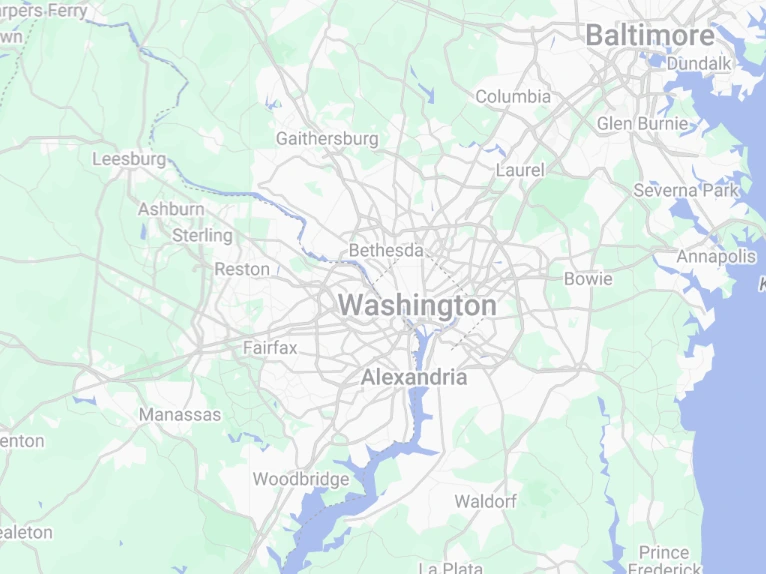
8 of 8Music for Life is a Northern VA-based nonprofit that serves school districts throughout the DMV, including:
Alexandria Arlington County District of Columbia Falls Church Fairfax County Loudoun County Manassas Prince William County Prince Georges County Montgomery County
Bridging the Achievement Gap for At-Promise Youth Throughout the DMV
Youth cannot succeed when their socioeconomic circumstances deny them equal access to participate in essential educational opportunities. Music for Life provides them the resources and support necessary to move past the limits of their current environment and thrive in life.
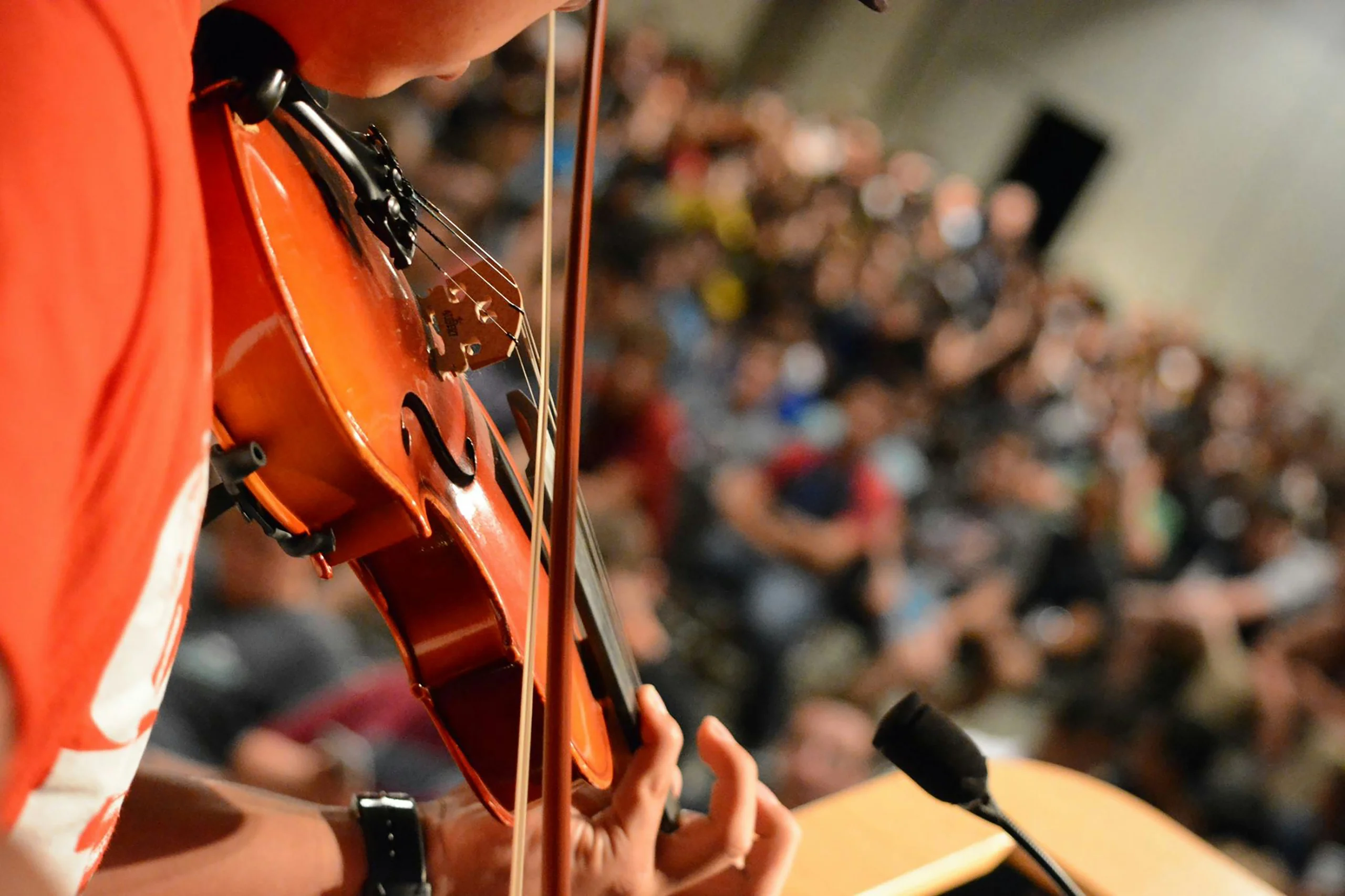
We offer free music education programs with the belief that the art of music connects one to higher life goals and ambitions. Our method is to engage students' creative potential via structured music programs, taught by caring adults in a safe environment, and then couple that with our mentoring in social skills and music-related careers.
How & Why Music Education Works
Early Musical Experience Has Lifelong Cognitive & Social-Emotional Benefits
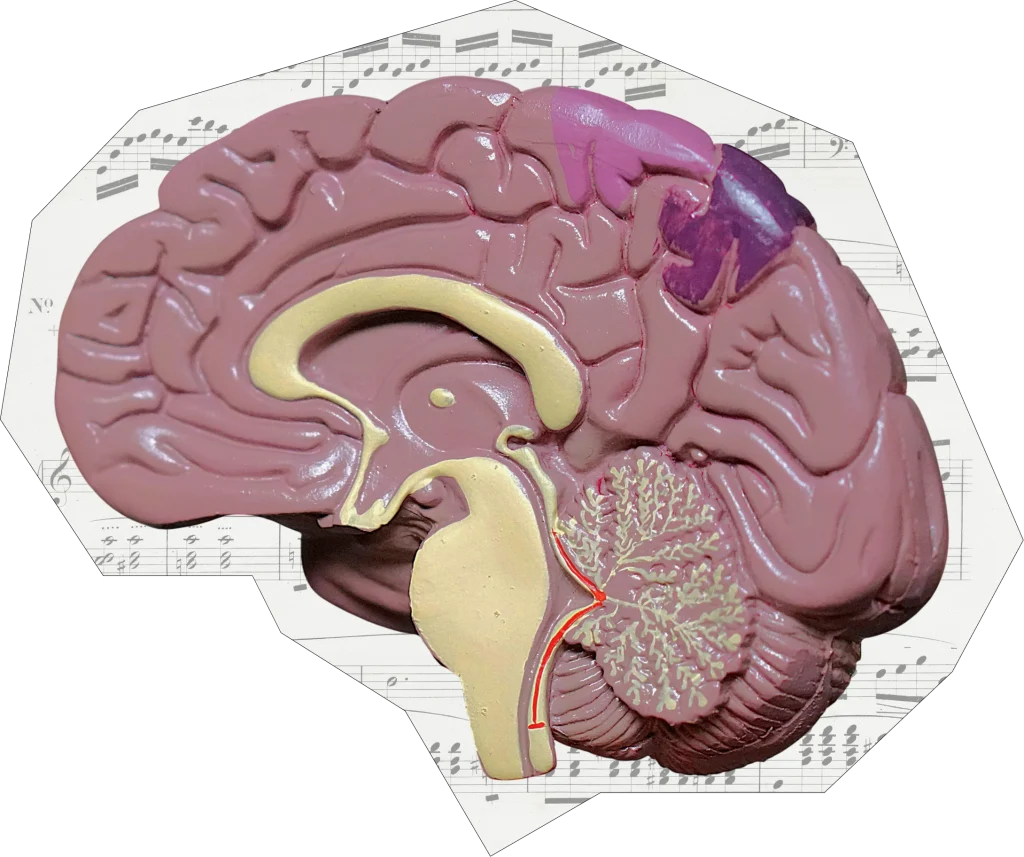
Music education has the power to uniquely reshape the brain. Early training strengthens neuroplasticity, improving how the brain processes sound, language, memory, and attention — skills that transfer to reading and learning across subjects. Practicing music engages multiple systems at once (cognitive, sensory, motor, and emotional), making it one of the richest forms of learning. Over time, these changes persist, supporting lifelong cognitive resilience and sharper communication skills. Socially, making music fosters empathy, cooperation, and belonging, helping children develop strong emotional bonds and prosocial behaviors that endure into adulthood.

Real Results From Our Prior School Year
Continued to perform well in their academics or showed improvement
Continued to practice competent social skills or showed improvement
Continued to have good emotional well-being or showed improvement
Continued to feel connected to their school & community or showed improvement
Our Programs
Hover over each box for more detailed information about Music for Life's programs.

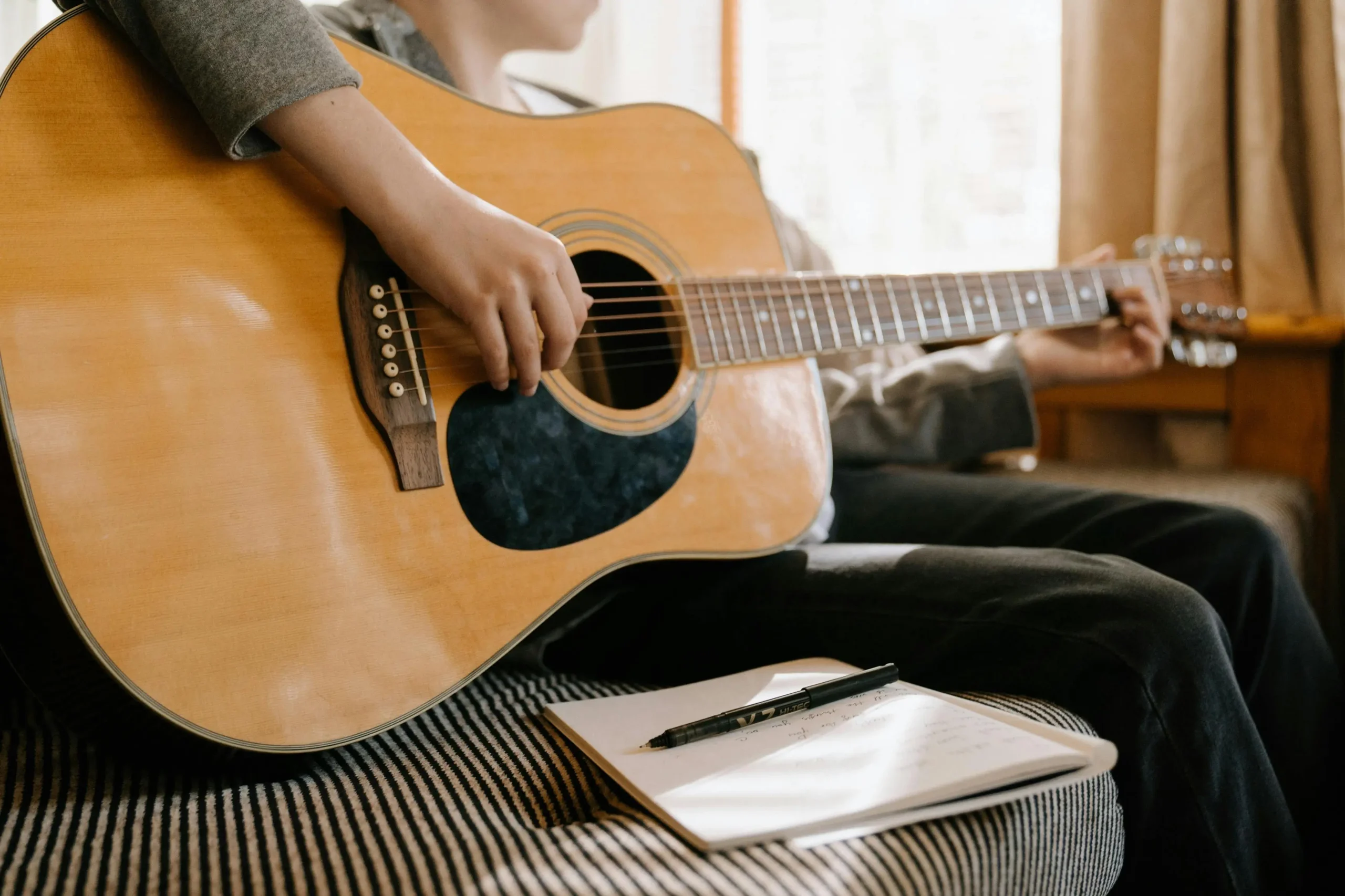
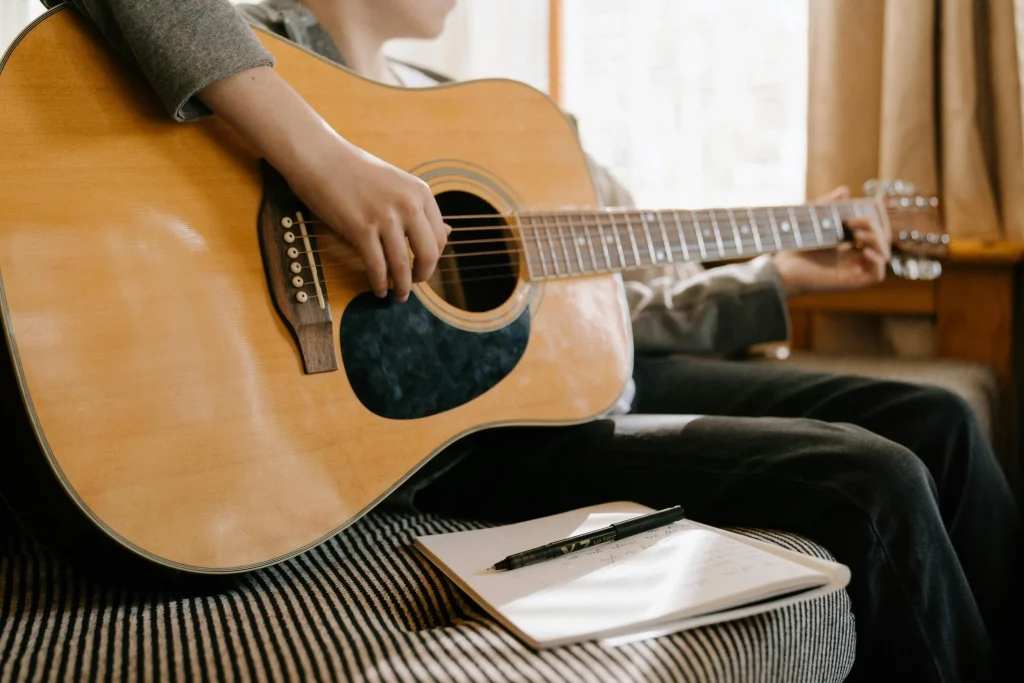
Some middle and high school age at-promise youth do not have an opportunity to participate in a music program; we provide them with free weekly guitar lessons in their school or neighborhood. Students are loaned a guitar, taught to play, read music, and basic music theory. Once proficient, they are awarded the guitar to keep and can continue with us learning more and helping new students.
Classes operate throughout the school year. We also provide instruments and teaching materials to other nonprofits serving underserved adults to include veterans and those who are homeless or have a disability.
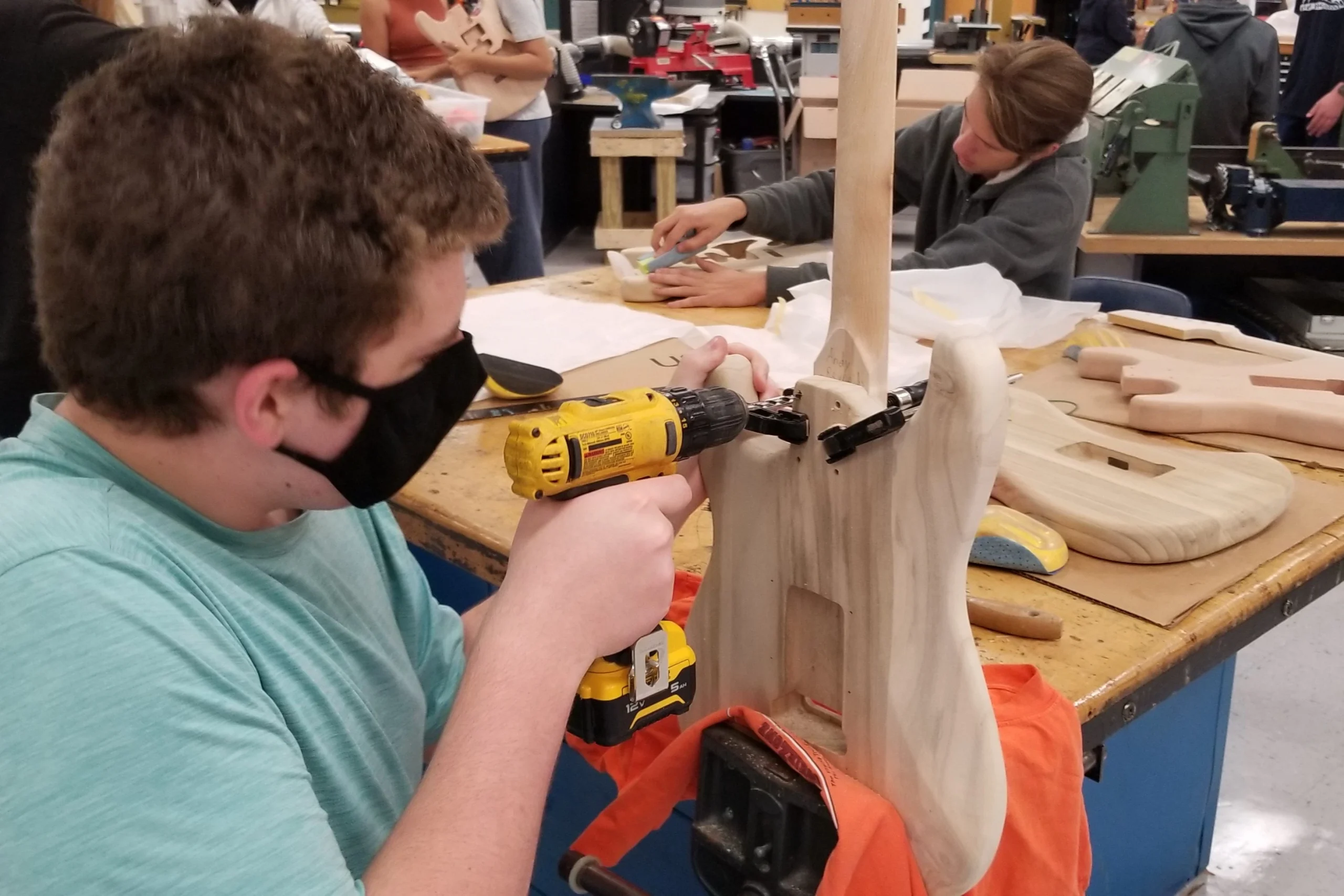
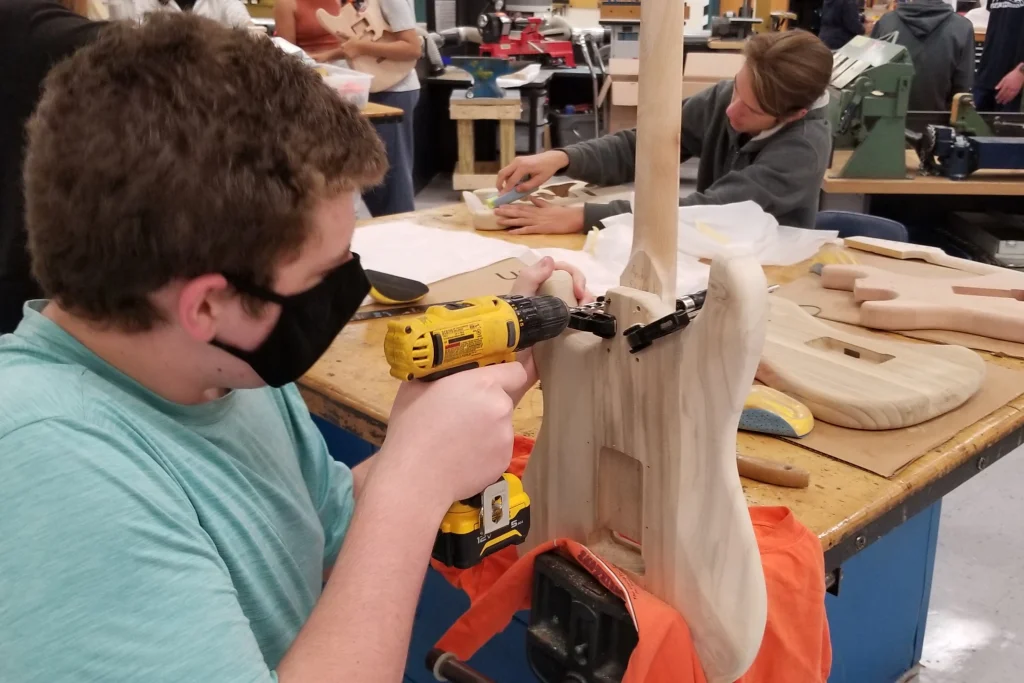
At-promise youth in middle and high school are underrepresented in STEM; their socioeconomic environment makes it difficult for them to attain the same exposure to STEM as their peers in more advantaged families. Our program introduces them to STEM using a familiar device.
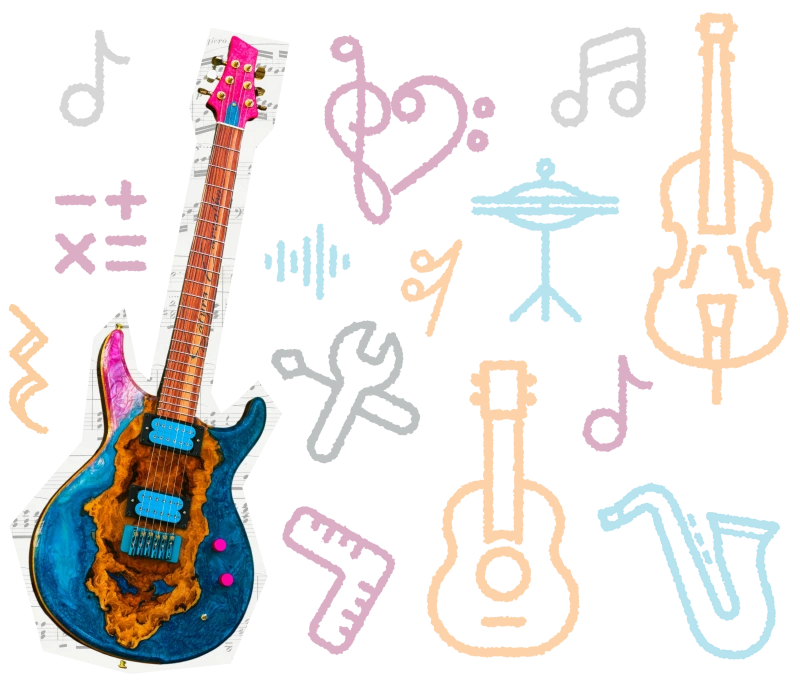
Students are taught the science behind the design and operation of a guitar, Cigar box model in middle school and electric model in high school. Students then build and learn to play their own instrument, learning academic and practical technical skills applicable to a STEM career path either through college or directly into 21st century manufacturing or the skilled trades.

Music programs in Title I elementary schools are under-resourced; fewer students are inspired to continue with music resulting in students from these schools being underrepresented in their middle school music programs. This program operates in Title I elementary and special education schools.
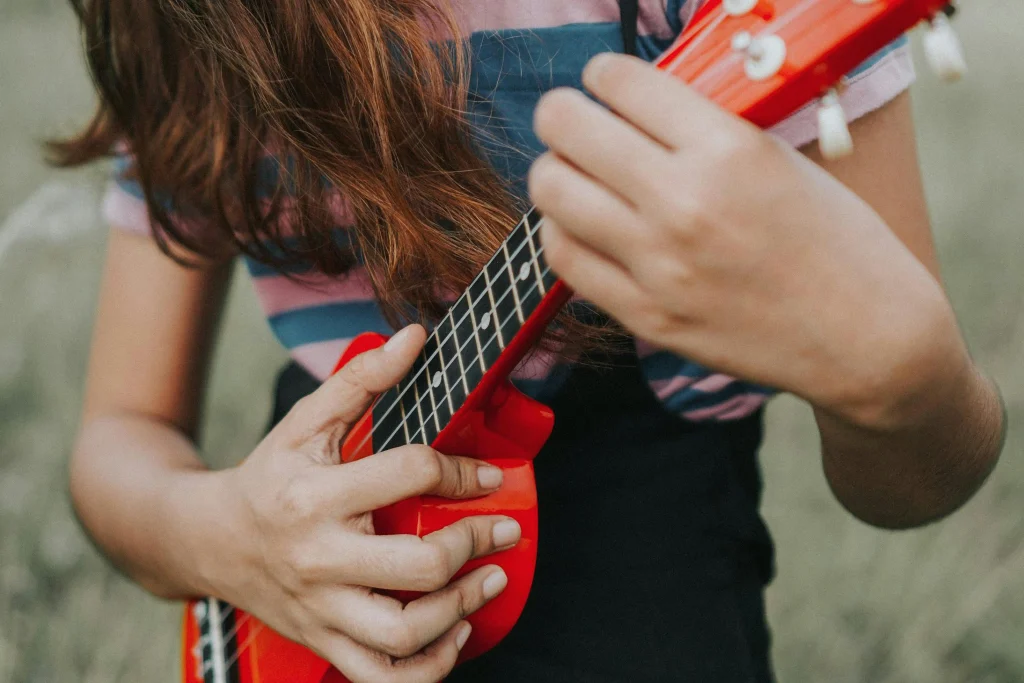
School music teachers are provided with ukuleles and teaching materials and trained in how to conduct ukulele classes. Follow-on training and instrument maintenance support are provided as needed. Students realize more music education benefits earlier as well as to a greater depth; more continue with music in middle school.
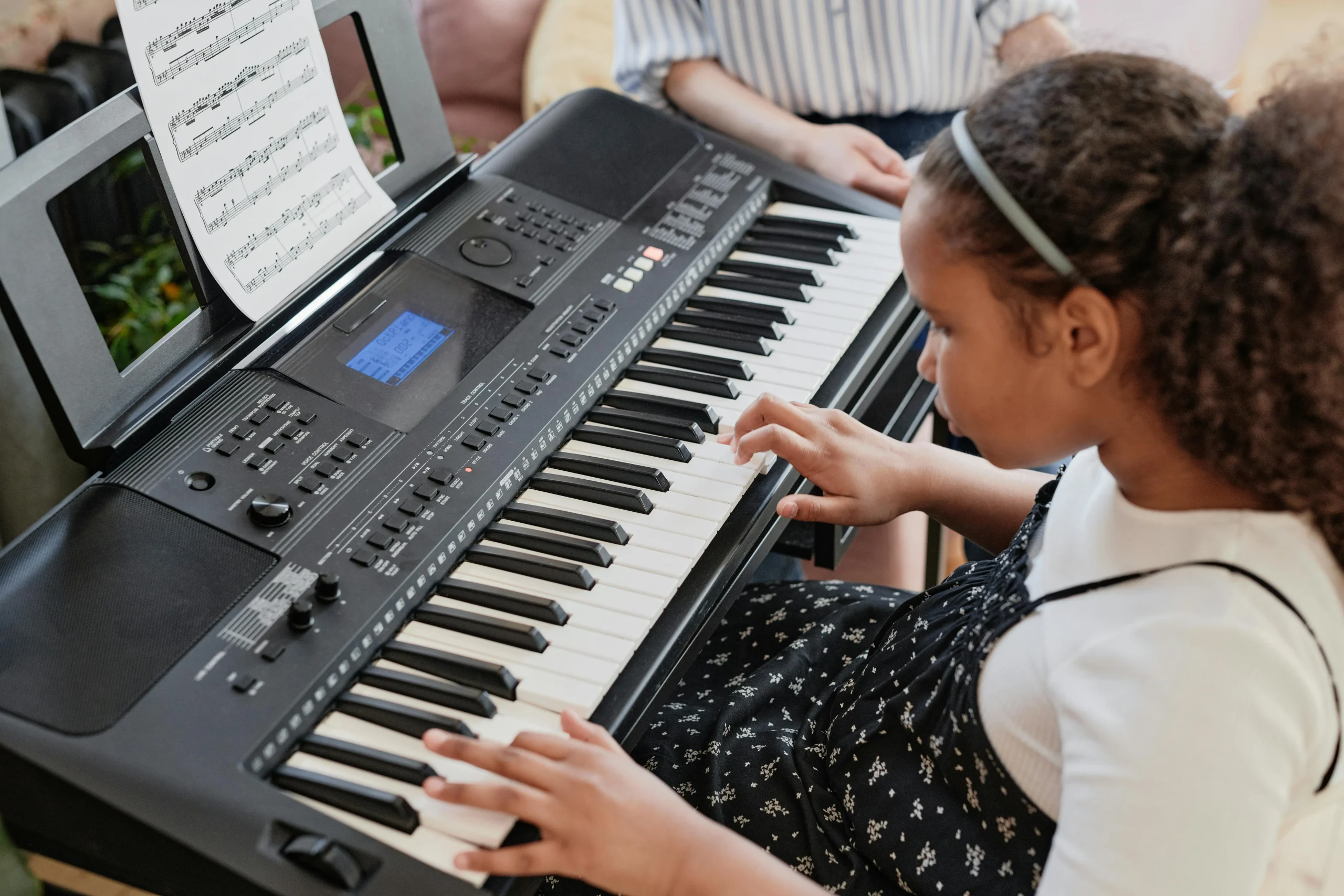
Music programs in Title I elementary schools are under-resourced; fewer students are inspired to continue with music resulting in students from these schools being underrepresented in their middle school music programs. This program operates in Title I elementary schools.
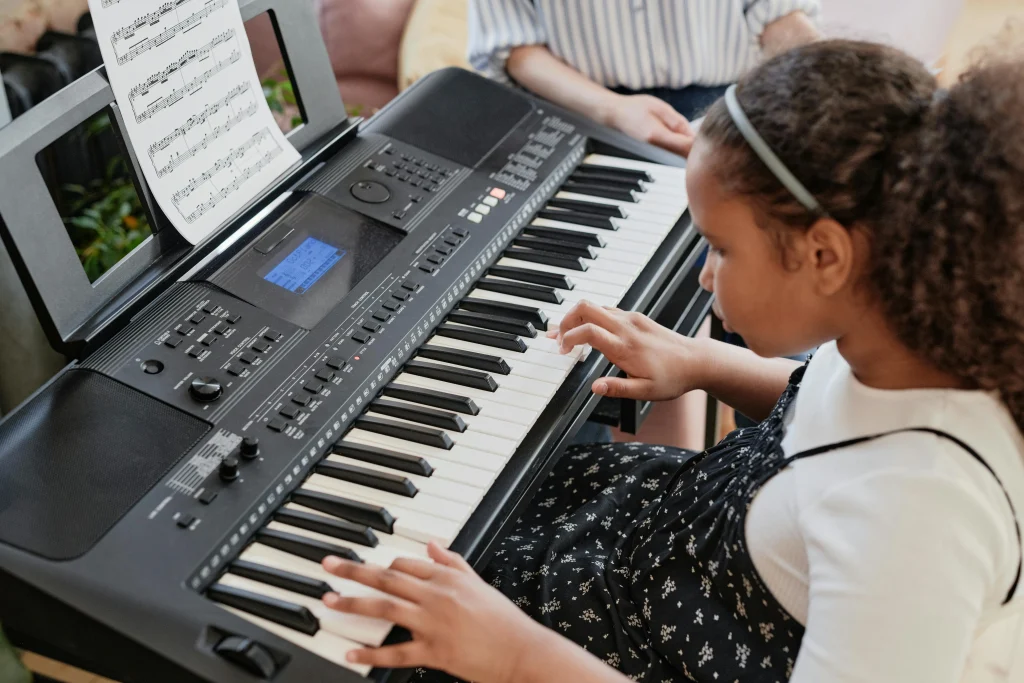
Using keyboards, we conduct a 6-week introductory piano program in the school. Students who demonstrate the interest, maturity, and discipline required for private lessons are then awarded a scholarship to continue with private lessons at a local piano studio. Students realize more music education benefits earlier as well as to a greater depth; more continue with music in middle school.
Our Story
2006-2015
Origin & Early Years

We began this journey in 2006 after the tragic shooting death of Aaron Brown, an 18-year-old neighbor, Eagle Scout, guitarist, and music student who believed in music’s ability to strengthen the mind and help people cope with their challenges.
Inspired by Aaron’s dream for everyone to benefit from the gift of music, we began offering after-school guitar lessons in Northern Virginia that same year, expanding to Washington, DC, and the neighboring Maryland counties in 2010.
We built our nonprofit during these early years by listening to students and volunteers, seeking guidance from music educators and experienced nonprofit managers, and striving to help as many as possible realize Aaron’s dream.
2016-2025
Expanding Our Programs
In 2016, we launched our Band & Orchestra Program after learning that many students were being priced out of participation at their schools. That same year, we introduced our high school STEAM Guitar Program, blending music with hands-on STEM learning as students discover the math and science behind building and operating an electric guitar.
By 2018, we learned that students from Title I Elementary Schools were underrepresented in middle school music programs, that the music programs in these schools needed more resources to inspire their students. In response we introduced our Ukulele Program for Title I Elementary and Special Education Schools. We also began providing instruments and teaching materials to other nonprofits serving underserved adults to include veterans and those who are homeless or have a disability. In 2025, we introduced our Piano Program for Title I Elementary Schools.
2026 & Beyond
Present & Future Goals
Today, Music for Life’s three middle and high school programs benefit over 800 at-promise youth throughout our service area: Northern Virginia, DC, and neighboring Maryland counties. Our two Title I Elementary School Programs benefit over 8,000 youth throughout our service area. We sustain a 93% spend efficiency rate through strong fiscal management and operating our programs in partner facilities: public schools and recreation centers, churches, housing project community rooms, and other nonprofits.
Our programs have been proven effective in narrowing the achievement gap between at-promise youth and their peers in more advantaged families. Moving forward, our goal is to continue expanding our impact, acquiring the resources needed to reach more of the over 400,000 other at-promise youth in our service area who would benefit from our programs. More youth succeeding means safer and more vibrant communities. We need your kind donation, regardless of the amount, to reach our goal.
Leadership Team
President
Skip Chaples
Retired Executive RCA, TCI and EAS
Treasurer
Richard Weinberg
Executive VP & CFO, Capital AMG
Secretary
Cheri Stronach
Retired Administrator, Freddie Mac
Member
Jim Basara
President, Guitar Affair
Member
Vince Blessing
Retired IRS IT Employee
Member
Diane Ditzler
Staffing Director, U.S. Pharmacopeia
Member
Glen McCarthy
Adjunct Professor, GMU School of Music
Member
Curtis Schehr
Executive VP & General Council, DCS Corp
Member
Betsy Stone
Retired BAE Financial Officer
ADVISOR
Gloria Dawson
Manager, Bias Recording Studio
ADVISOR
Irvin Kalugdan
Music Therapist & Director, The Creative Arts Therapy Studio
ADVISOR
Dixie Mitchell
Music Therapist, Fairfax County Public Schools
Our Instructors

After-School Guitar
Our guitar instructors are volunteers. Each is an experienced guitar player, performs with an area band, and has guitar teaching experience.

Band & Orchestra
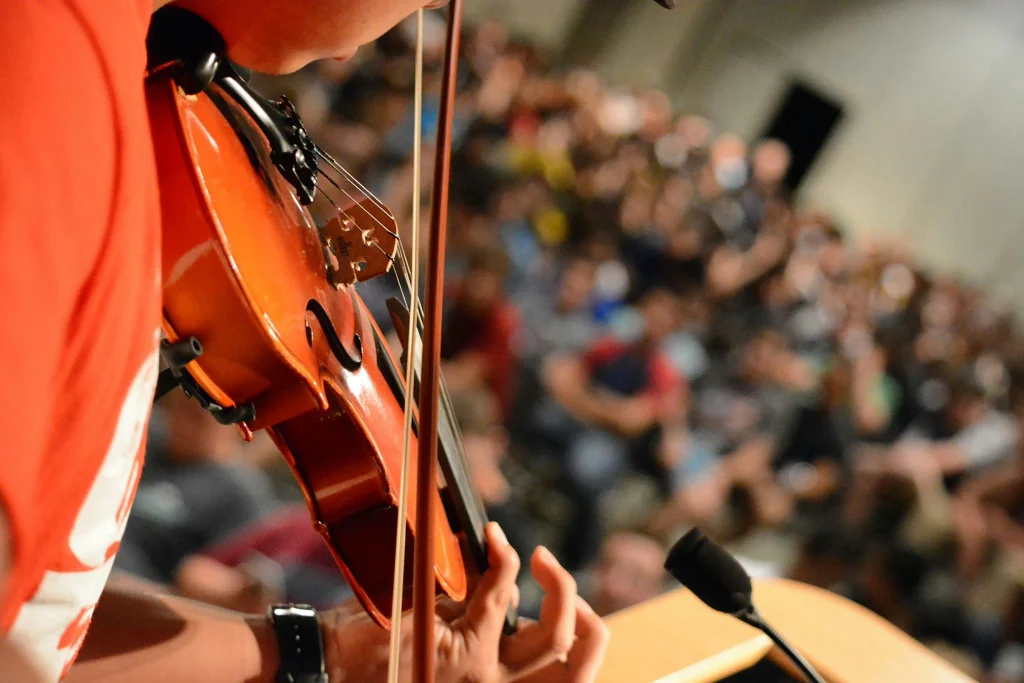
Our band & orchestra instructors are contracted professional music teachers, each with several years of experience in both performance and education.

STEAM Guitar
Our STEAM guitar instructors are a mix of volunteers and contracted luthiers, each with several years of experience building guitars.

Ukulele
Our ukulele instructors are a mix of volunteers and contracted professional music teachers, each with several years of experience in both teaching and playing the instrument.

Piano
Our piano instructors are contracted professional music teachers, each with several years’ experience, and currently employed by one of the piano studios with which we partner for this program.
Frequently Asked Questions (FAQs)
What is Music for Life's mission?
Music for Life’s mission is to narrow the achievement gap between at-promise youth and their peers in more advantaged families; to remove those barriers that deter them from attaining the competencies and experiences necessary to become self-sufficient adults.
What are the barriers at-promise youth face?
Income inequality1 and a lack of relationships with peers and adults outside their socioeconomic environment who have the competences and experiences2 they are expected to attain.
1. Research finds that families are geographically self-segregating by wealth, education, ethnicity, and race therein creating communities that are disproportionately impacted by income inequality. The schools that serve these communities have a disproportionally large number of at-promise youth enrolled; typically 50% or more. Government school budgets are not sufficient to provide all students with equal access and opportunity to succeed at school.
Individual schools augment their government budget with funds from course fees and parent organizations like PTAs/PTOs, booster groups for band, orchestra, chorus, and sports teams as well as local businesses. Schools with high percentages of at-promise receive significantly less revenue from these alternative sources. At-promise students do not have to pay course fees, low-income families cannot provide much financial support, and their communities have fewer businesses that can support their schools.
The result is these schools are under-resourced compared to schools with much lower percentages of at-promise youth. Fewer resources are available to support student needs; teacher supplies are limited resulting in less rigorous course content. The result, SAT scores and on-time graduation rates decline.
2. The education, competencies, and experiences of parents and the other adults in their neighborhood significantly impacts whether a child succeeds in school. This is particularly true for first-and -second-generation immigrants who often have limited experience with our language, customs, and institutions.
Schools cannot provide every child with all the competencies and experiences they need to attain to succeed; some must be provided outside of school. When adults in their family and neighborhood lack those competences and experiences, they cannot pass them on to their children. Their children must attain them on their own. Without adequate structure and guidance, most are unable to do that and end up being less successful in school.
How do we make an impact?
We remove at-promise youth’s income inequality barrier by providing them with the financial support necessary for them to fully participate in their school’s music education programs; covering all course fees, equipment, and private lessons. We remove their lack of relationships barrier by providing them with mentoring to help them attain or understand those competencies and experiences not otherwise available to them.
How are my donations used?
93% of your donation goes toward our programs. It covers our expenses for instructors, equipment, and teaching supplies. 7% goes toward overhead. It covers accounting, fundraising, office supplies, and annual government registration fees to operate in Virginia, DC, Maryland.
How can I access Corporate Documents?
Corporate documents to include current financial statements, audit reports, and policy manuals may be obtained by emailing info@musicforlife.org or texting 703-283-8547.